


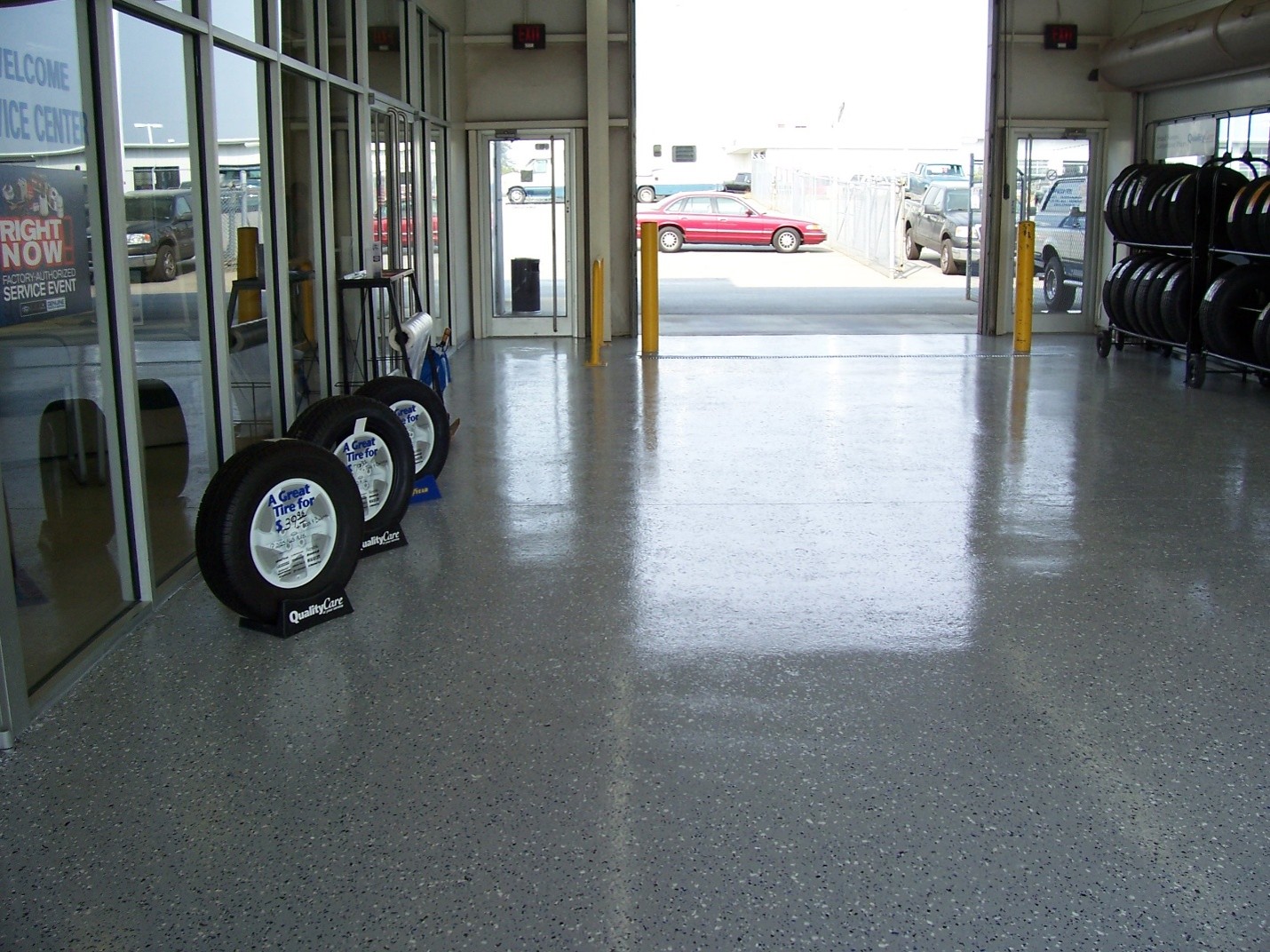
Managing heavy foot traffic and chemical spills requires a floor built for greater durability. Unprotected workshop pads absorb oil, grease, and moisture, which gradually weakens the bottom compound over a few long periods of use. Applying dense industrial liquid polymer systems shields the porous masonry from impact fractures and deep, unremitting liquid stains. Careless application without checking for hidden foundation settling leads to visible surface cracks within only a few months.
Assessing Substrate Moisture Vapor Levels
Water rising naturally from the soil below easily detaches weak topcoat membranes if left completely unmitigated. Specifying high-performance industrial floor coatings Asheville projects demands rigorous calcium chloride testing before mixing any chemical components together on site. If the concrete reads high for vapor emissions, the chemical bond breaks apart under stress. Mechanical diamond grinding equipment shaves down the slick factory finish to leave an open, highly porous profile.
Reconditioning High-Traffic Local Workspaces
Heavy walk-behind machinery uses industrial diamond abrasive discs to strip away older, failing sealer residues entirely. Restoring an aging residential garage floor Greer homeowners use for heavy vehicle storage means achieving a clean, flat profile first. Skipping the surface profile profiling process means your expensive topcoat will flake away like dried paint flakes. Technicians must vacuum up every speck of fine dust before rolling out the fluid polymer blends.
Selecting Appropriate Slip Resistance Aggregates
Pure resin cures into a glassy sheet that turns incredibly slick when covered in rainwater or stray lubricants. Mixing specialized quartz sand or aluminum oxide granules into the final locking coat provides excellent traction for boots. This texture looks slightly rough but prevents hazardous falls in busy commercial loading docks and home workspaces alike. Adjusting the aggregate broadcast density changes the feel underfoot depending on your exact daily operational workflow needs.
Cleaning Corrosive Shop Chemical Spills
Battery acid, brake fluids, and harsh solvent drops require prompt removal to protect the glossy protective top layer. Using heavily acidic cleaners degrades the clear coating and causes premature dulling across the main walking pathways. Stick to moderate pH-neutral floor soaps paired with handy microfiber wipes for routine construction and maintenance routines. Fine sandy dirt left on the floor acts as sandpaper, scratching the surface under heavy tire samplers.
Estimating True Material Application Thickness
Thin roll-on paints cost very little upfront but wear thin within a year under heavy tool use. Opting for full multi-layered slurry builds costs more initially but handles dropping heavy iron tools without chipping down to the base slab. You must weigh the actual long-term building lifespan against immediate out-of-pocket setup costs before choosing a specific product line. Spending a bit more now prevents complete workspace shutdowns for floor repairs later down the road.
Conclusion
Selecting the right protective layer for your concrete slabs requires balancing upfront material costs with your specific daily mechanical demands. Researching advanced options at carolinaflooringspecialists.com gives building managers clear insights into product lifespans and chemical resistance profiles for individual regional climates. Skipping the initial mechanical diamond grinding process always leads to premature adhesion failure regardless of the brand you buy. Local flooring experts must measure your concrete slab density prior to finalizing a project timeline or signing installation agreements. Reach out to our customer service desk this week to schedule your diagnostic site assessment and receive a comprehensive, itemized project estimate.