


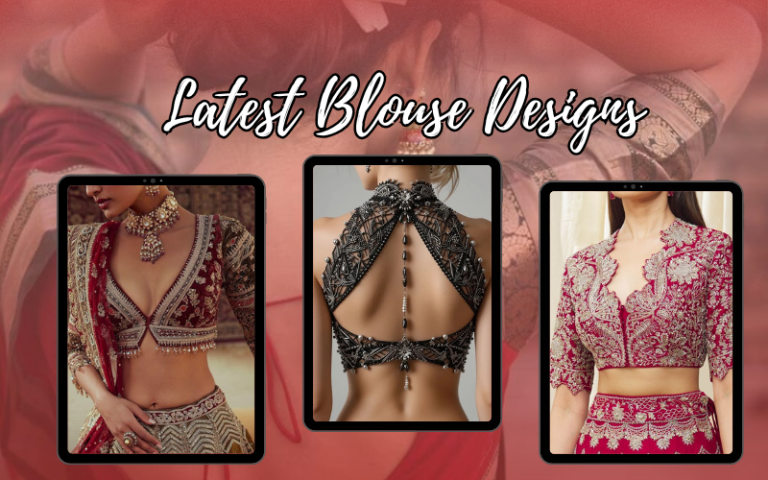
Clothes design can make ordinary garments feel fresh without making them difficult to wear. bestsimpledesign.com can help readers explore clothing design, garment details, fabric choices, color combinations, tailoring ideas, wardrobe planning, and practical fashion inspiration. A useful clothing design needs to do more than look attractive inside a shop or on a screen. People wear clothes while walking, working, sitting, traveling, washing, carrying things, and dealing with changing weather. Those ordinary moments can expose problems that are impossible to notice from a simple photograph. A sleeve can feel too narrow, a waistband can become irritating, or a fabric can crease after very little movement. Good design thinks about those details early. It also does not mean adding decoration everywhere. Sometimes a cleaner shape works better because it remains easier to style with other clothes. Color can add personality without a complicated pattern, while texture can make a simple garment feel more interesting. Pockets can improve usefulness, and small changes around collars, cuffs, hems, or seams can completely alter the appearance. Clothing also needs to fit the life of the person wearing it. A garment designed for frequent everyday use should behave differently from something intended for occasional wear. Practical design is often quiet, but its usefulness becomes obvious after repeated use.
Build Around Daily Movement
Everyday clothing needs enough flexibility because bodies rarely remain still for long periods. Shirts should allow reaching, stretching, typing, carrying, and normal arm movement without pulling across the shoulders. Trousers need comfortable space for sitting and walking without creating constant pressure around the waist or thighs. Dresses and skirts should allow natural steps while still keeping the intended shape. Jackets can become difficult when their sleeves or shoulders are too narrow for layering underneath. Designers can improve movement through fabric selection, seam placement, garment width, and carefully planned shaping. Loose clothing may provide more freedom, but excessive volume can create a heavy appearance or become inconvenient during daily activities. Fitted garments may look sharper while still needing enough room at joints and other active areas. The right balance depends on the purpose of the clothing. Movement testing should happen while standing and while performing realistic actions because each position can reveal different problems. Sitting down can expose uncomfortable waistbands or short garments that seem fine while standing. Raising both arms may reveal sleeve restrictions that remain invisible during a simple fitting. Good design should survive these ordinary tests without losing its intended appearance. People tend to keep wearing clothing that moves naturally with them. That makes movement one of the most important parts of practical clothes design.
Choose Fabrics For Purpose
Fabric changes everything from comfort and appearance to maintenance and durability. Cotton can provide familiar comfort for many everyday garments, while linen blends can feel lighter in warmer conditions. Denim can bring useful structure to casual clothing, whereas softer fabrics create more relaxed movement. Wool and heavier woven materials can provide warmth during cooler conditions. Stretch materials may work well for garments where flexibility matters, although their use should match the design. Designers should think about how fabric behaves after repeated washing, drying, ironing, folding, and wearing. A material that appears excellent when new may change noticeably after several cleaning cycles. Shrinking, fading, pilling, wrinkling, stiffness, and loss of shape can reduce the practical value of clothing. Fabric weight should also match the expected weather and amount of movement. Heavy material can become uncomfortable when worn for long hours during warmer conditions. Breathability matters too, especially for clothing used during active days. Texture gives designers another way to create visual interest without adding strong colors or complicated patterns. Smooth fabrics can support structured silhouettes, while textured materials may create a softer or more casual effect. Choosing fabric according to the garment’s purpose usually creates better results than choosing material based only on its appearance.
Use Colors With Balance
Color can completely change how clothing feels even when the garment shape remains exactly the same. Neutral shades provide flexible wardrobe foundations because black, white, navy, grey, cream, and brown can work with many combinations. Stronger colors can give a garment greater personality without requiring extra decorative details. Deep red, rich green, dark blue, plum, rust, and other strong shades can create a noticeable impression when used thoughtfully. Softer colors can produce calmer clothing for everyday settings. Designers should consider how colors appear under different lighting because indoor and outdoor conditions can change the visual effect considerably. Color placement also provides opportunities for subtle design. A contrasting collar, cuff, pocket, seam, or inner panel can create interest without covering the garment in several bright shades. Similar tones can create a quieter appearance, while stronger contrast can draw attention toward a specific area. Designers should also consider how the garment will combine with other clothing because a dramatic color may become difficult to wear regularly. Personal taste matters more than rigid color rules because people naturally prefer different palettes. A strong color system can make wardrobes easier to coordinate while still allowing each garment to have its own identity. Good color design should feel intentional rather than excessively matched.
Rethink Small Garment Details
Small construction details can influence both appearance and usefulness more than people initially expect. Buttons, seams, pockets, cuffs, collars, zippers, hems, and stitching can each change the character of a garment. A shirt with a different collar shape may suddenly feel more polished without requiring any change to the fabric. Contrast stitching can create a subtle detail that becomes noticeable only at closer viewing. A different pocket shape can make casual clothing feel more structured or relaxed. Designers should avoid adding details simply because the garment seems too plain. Every feature should either support the appearance, improve function, or contribute meaningfully to the garment’s identity. Functional details can become especially valuable because they remain useful after the first impression has passed. Adjustable cuffs, secure closures, hidden storage, reinforced seams, and flexible waist features can improve everyday experience. Details also need suitable construction because decorative elements that loosen after repeated washing quickly reduce quality. People tend to notice such problems after wearing the garment several times. That makes durability part of detail design rather than a separate concern. A simple garment can become distinctive through one well-placed feature instead of many competing decorations. Designers can therefore experiment with small elements while keeping the larger shape clean. Thoughtful details often create the difference between ordinary clothing and clothing people genuinely prefer wearing.
Give Sleeves More Flexibility
Sleeves affect silhouette, movement, temperature, and visual character at the same time. Short sleeves can produce a lighter appearance, while long sleeves provide greater coverage and more layering opportunities. Fitted sleeves create one kind of shape, while wider sleeves introduce additional movement and volume. Gathered, cuffed, rolled, dropped-shoulder, bell-shaped, and straight sleeves can create very different impressions from the same basic garment. Designers should consider how the sleeve behaves during real activities before deciding on the final shape. Work clothing needs freedom around the shoulders and elbows, while relaxed garments may allow much greater width. Cuff design can also add usefulness because adjustable or flexible openings allow people to change the sleeve depending on activity. Fabric plays a major role because soft materials may fall naturally while structured materials hold a stronger outline. Sleeve length should also correspond with seasonal use. Heavy long sleeves may become uncomfortable during warm weather, while lighter layers can provide useful flexibility across changing conditions. Decorative sleeve shapes need careful construction because unusual forms can make laundering, folding, and storage more difficult. A good sleeve design therefore balances personality with practical movement. Sometimes changing sleeve width or cuff shape slightly is enough to give a familiar garment a completely different appearance.
Design Better Neckline Shapes
Neckline design can change how the upper body of a garment appears even when the rest of the construction stays simple. Crew, V-shaped, square, boat, high, rounded, and open necklines each create different visual relationships. The neckline also determines how scarves, necklaces, jackets, and other layers will work with the garment. Designers should think about those combinations before finalizing the shape. A heavily designed neckline may already provide enough visual detail without additional accessories. A simple neckline can leave more room for jewelry or other styling elements. Comfort around the neck remains important because poorly finished edges may become irritating during long wear. Binding, stitching, seam placement, and fabric choice all contribute to that experience. Neckline depth can also affect how a garment works during different activities. Clothing intended for work or frequent movement may require a different approach from relaxed social wear. Designers can use contrasting materials or small trim details around the neckline to add personality without overloading the garment. The neckline should feel connected with the garment’s overall proportions rather than appearing separately designed. Simple changes around this area can create several new clothing concepts without major changes to production. This makes neckline design a useful place for subtle experimentation.
Make Pockets More Useful
Pockets can improve everyday clothing significantly because they combine practical storage with visible design. Their size, position, shape, and opening affect how useful they become during ordinary activities. Trouser pockets need enough room for expected items without making the garment appear bulky. Jacket pockets can offer more storage while still supporting the garment’s structure. Shirt pockets usually need to remain lighter because excess weight can pull against softer fabric. Designers should consider actual use rather than creating pockets only for decorative purposes. Placement can influence the overall visual balance of the garment as well. Patch pockets often create a casual effect, while welt pockets can appear cleaner and more refined. Zippered or secured pockets may be useful where additional closure is required. Reinforcement around pocket openings can improve durability because those areas receive repeated stress. Soft fabrics may need additional support when users place heavier objects inside. Hidden pockets can provide useful storage while keeping the outside appearance relatively simple. Designers should also test whether pockets remain accessible when another layer is worn over the garment. Practical features should work in the situations where people actually need them. A pocket that looks excellent but cannot comfortably hold anything useful may become disappointing over time. Good pocket design proves that function and appearance can work together naturally.
Shape Trousers More Carefully
Trousers offer many design possibilities through changes in leg width, waist placement, pocket details, pleats, hems, and fabric weight. Straight-leg styles provide a familiar outline, while wide-leg trousers can create more movement and volume. Tapered cuts create a narrower lower shape, while relaxed trousers emphasize comfort. Waist height changes how the garment sits and how it works with different tops. Designers should pay particular attention to waist comfort because sitting can create pressure that is not noticeable while standing. Pleats can add structure and movement, although their placement should remain consistent with the overall silhouette. Hem length needs consideration because trousers usually interact closely with footwear. A length that works with one pair of shoes may look very different with another pair. Pocket placement can also affect the visual balance around the hips and upper legs. Fabric weight changes the way the trousers fall, especially when the leg shape is wide or relaxed. Frequent-use trousers need durable stitching around the waistband, pockets, seams, and closures. Designers should also consider washing because everyday trousers usually require regular cleaning. Good trouser design balances fit, movement, durability, appearance, and ease of coordination with other garments. Those qualities become more important after the first few wears.
Make Shirts Work Harder
Shirts can become some of the most versatile garments when their design supports different styling possibilities. Collar shape provides an easy way to change appearance because spread, pointed, rounded, band, and oversized collars each create different impressions. Shirt length also influences layering and proportion. A shorter shirt can emphasize the waist area, while a longer design may work well with narrower bottoms. Oversized shirts can sometimes serve as outer layers when their fabric and construction allow enough structure. Button placement can become a subtle design feature through contrast, shape, or unusual arrangement. Hidden buttons can create a cleaner appearance for more minimal garments. Sleeve cuffs offer another area for experimentation through shape, width, material, and closure. Designers should also think about care because shirts are frequently washed and often require regular maintenance. A garment that needs constant ironing may be less practical for busy people. Fabric choice can support either structured or relaxed styling depending on its weight and drape. The most useful shirt designs often combine enough personality to feel distinctive with enough simplicity to work alongside many other garments. This creates more outfit possibilities without requiring large wardrobes. A versatile shirt earns its place through repeated use rather than temporary visual appeal.
Use Patterns With Restraint
Patterns can create instant personality, but they need enough visual space around them to remain effective. Stripes, checks, florals, dots, geometric shapes, and abstract designs each create different kinds of visual movement. Pattern scale matters because large forms attract more attention than small repeated details. Designers should also consider how patterns interact with seams, curves, pockets, sleeves, and other garment sections. Poor alignment can make a carefully designed piece feel less polished. Strategic placement can create stronger results when the pattern follows the garment’s structure. A patterned collar or pocket can add interest without covering the entire garment. Strong patterns often work better with simpler supporting clothing because too many competing visuals can make an outfit difficult to coordinate. Designers can also create subtle patterned details through inner panels, cuffs, linings, or small inserts. This gives people room to experiment without making the garment difficult to wear. Personal preference remains important because some people enjoy expressive patterns while others prefer quieter designs. Patterns should also fit the purpose of the garment because a playful design will not suit every environment. The best patterned clothing usually has enough personality to stand out while remaining practical enough to combine with other wardrobe pieces. Good pattern design gives character without creating unnecessary limits.
Add Adjustable Design Features
Adjustability can make garments more useful because bodies, activities, and temperatures change throughout the day. Drawstrings, adjustable tabs, flexible waistbands, removable belts, cuff buttons, and adaptable closures can provide useful changes without altering the garment’s basic identity. Such details may be especially valuable in clothing designed for travel or active use. Adjustable sleeves allow people to change coverage depending on the activity or weather. Waist adjustments can improve comfort during long periods of sitting. Removable details can also create styling variation when the wearer wants a simpler appearance later. Designers need to ensure these features remain easy to operate because a complicated adjustment system can quickly become frustrating. Closures should remain secure while still allowing reasonable access. Adjustment points also need strong construction because repeated use can place additional stress on the garment. Designers should test these mechanisms during realistic daily movement rather than evaluating them only on a model. Clothing should look acceptable at different adjustment settings instead of appearing designed for only one position. Flexibility can extend the useful period of a garment because the piece can adapt to different conditions. This makes adjustable design particularly valuable for practical wardrobes. A well-planned flexible garment can provide several useful configurations without becoming unnecessarily complicated.
Think About Easy Care
Clothing becomes more valuable when maintaining it does not require excessive time or specialist treatment. Designers should consider washing, drying, ironing, folding, storage, and minor repairs from the beginning. Everyday garments often benefit from materials that tolerate regular cleaning without major changes in color or shape. Decorative details should remain secure after repeated washing because loose trims quickly make clothing look worn. Simple construction can also make minor repairs easier when a button or seam eventually needs attention. Care labels should remain understandable and practical for ordinary owners. Wrinkle resistance can become especially useful for people who travel frequently or keep busy schedules. Drying requirements matter as well because unsuitable heat can change certain fabrics significantly. Storage needs should be considered because some materials require hanging while others can be safely folded. Designers can make clothing easier to own without removing personality from the garment. An attractive piece that becomes difficult to clean may eventually stop being worn. Easy-care design therefore contributes directly to how often a garment receives real use. Practical fashion continues beyond purchase and includes everything that happens during ownership.
Design For Long-Term Wear
Durability gives clothing greater value because garments that remain useful after repeated wear can become dependable parts of a wardrobe. Strong seams, reliable closures, suitable fabric, and reinforced high-stress areas can reduce early damage. Designers should identify where the garment will experience the most friction or pulling during normal use. Elbows, knees, shoulders, waistbands, pockets, and closures may need additional attention depending on the garment. Durability does not require making everything heavy because thoughtful construction can provide strength without unnecessary bulk. The design should also remain visually useful after short-lived trends begin changing. Balanced silhouettes and practical colors often remain easier to wear than extremely specific trend-focused shapes. Creativity can still exist through subtle details that do not dominate the whole garment. Repairability creates another advantage because a small defect should not automatically make the entire garment unusable. Replaceable buttons, accessible seams, and sensible construction can help extend useful life. People tend to value clothing more when it remains comfortable and attractive after many wears. Designers should therefore think about the full life of the garment rather than focusing only on the moment it first reaches the customer. Long-term wear is one of the clearest tests of practical clothing design.
Conclusion
Clothes design works best when appearance and everyday use remain connected throughout the entire process. Movement should influence garment shape, while fabric selection should account for comfort, weather, washing, durability, and the intended purpose of the clothing. Color can create personality without excessive decoration, and small details around sleeves, necklines, pockets, trousers, and shirts can change the entire appearance through relatively simple adjustments. Patterns can add character when they are placed carefully, while adjustable features can make garments more flexible across changing activities and conditions.
Practical ownership matters too because people are more likely to keep wearing clothing that remains easy to wash, store, repair, and coordinate. Durable construction helps garments survive repeated use, while thoughtful silhouettes can remain useful even as trends change. Good design does not require adding more features at every opportunity. Sometimes the strongest result comes from removing unnecessary details and giving greater attention to a few elements that genuinely improve the garment.
A well-designed piece should feel natural during ordinary life while still offering enough visual character to make personal style possible. For readers interested in clothes design, garment construction, fabric selection, color planning, sleeves, necklines, pockets, trousers, shirts, patterns, adjustable features, easy-care clothing, durability, and practical fashion ideas, continue exploring dependable design resources and useful clothing guidance through bestsimpledesign.com, study thoughtful garment details, experiment with practical silhouettes, and build a wardrobe around clothing that feels comfortable, functional, distinctive, and useful for the long term.
Read also :-